AGAYA

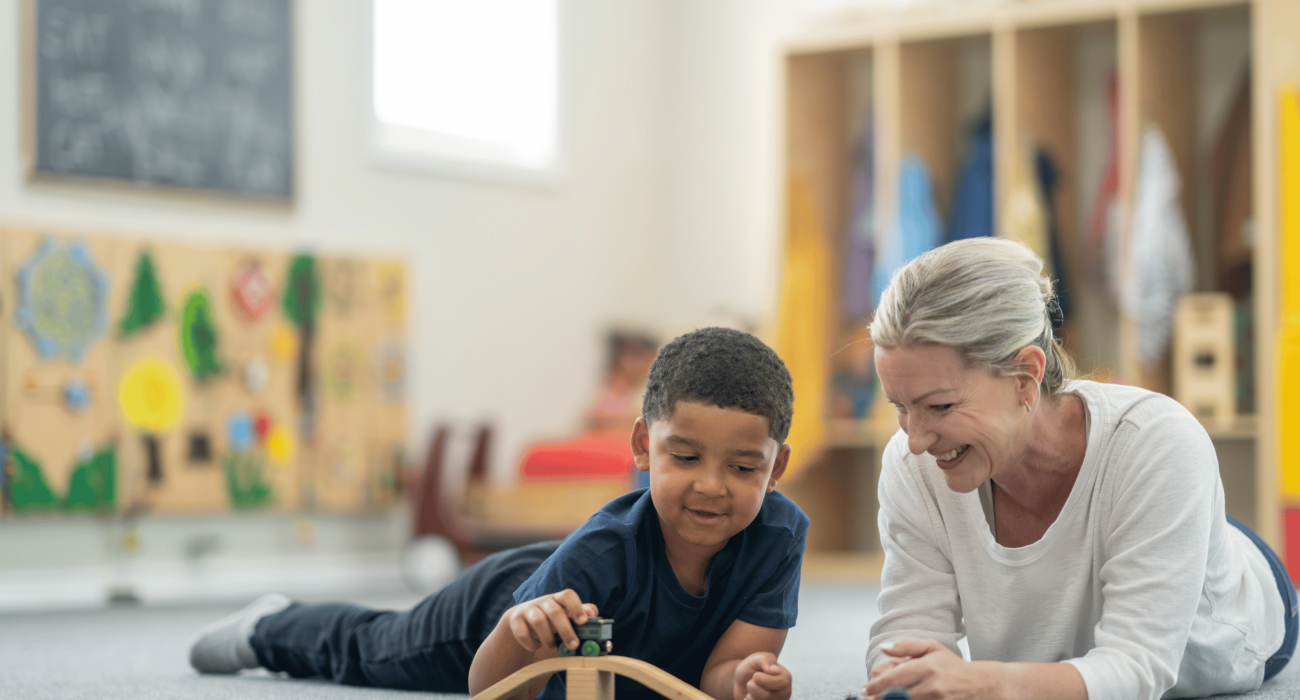
Play is often called a child’s “work” and for good reason. Through play, children explore their world, build relationships, develop skills, and learn to participate in everyday life. Play is one of the most natural and meaningful wats children learn. At Agaya our multidisciplinary team utilizes play intentionally to support engagement, development and functional progress.

The Power of Play

Play is often called a child’s “work” and for good reason. Through play, children explore their world, build relationships, develop skills, and learn to participate in everyday life. Play is one of the most natural and meaningful wats children learn. At Agaya our multidisciplinary team utilizes play intentionally to support [...]

Read More

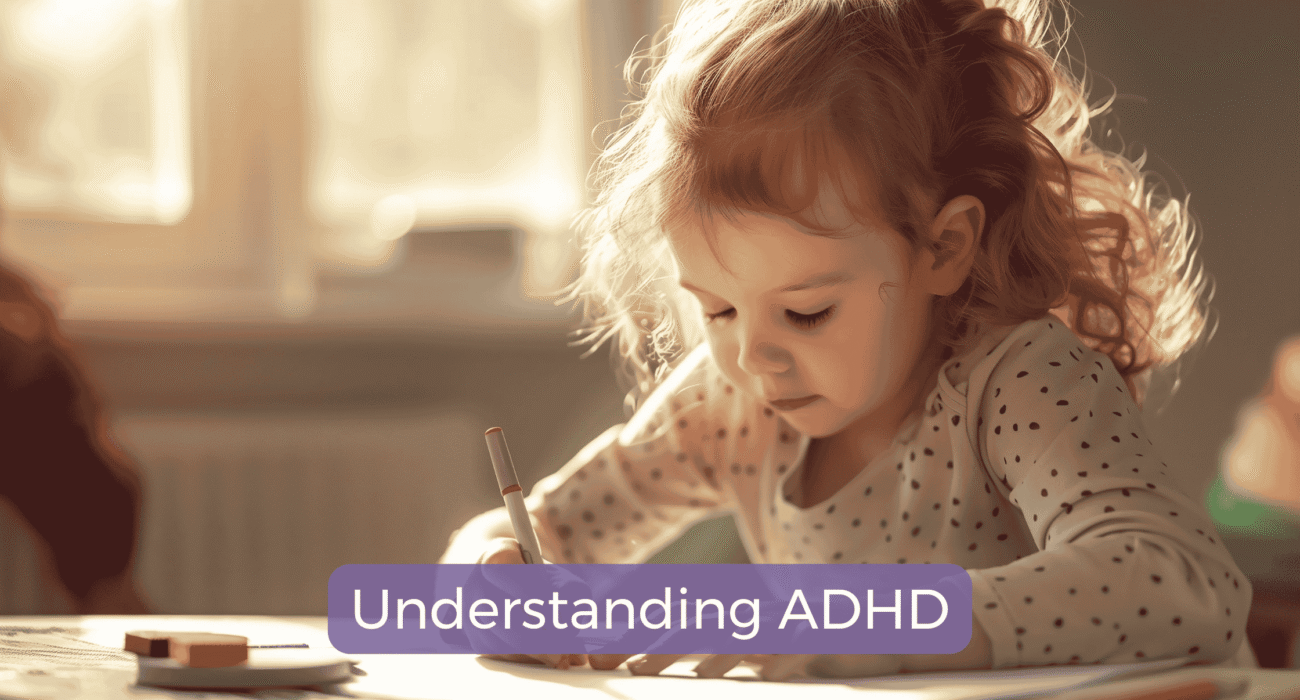
Applied Behavior Analysis (ABA) and Attention‑Deficit/Hyperactivity Disorder (ADHD)

Applied Behavior Analysis (ABA) and Attention‑Deficit/Hyperactivity Disorder (ADHD): An Evidence‑Based Approach to Support and Skill Development Attention‑Deficit/Hyperactivity Disorder (ADHD) is a neurodevelopmental condition characterized by persistent patterns of inattention, hyperactivity, and impulsivity that interfere with daily functioning. While ADHD is often associated with medication and educational accommodations, behavioral interventions—particularly Applied [...]

Read More

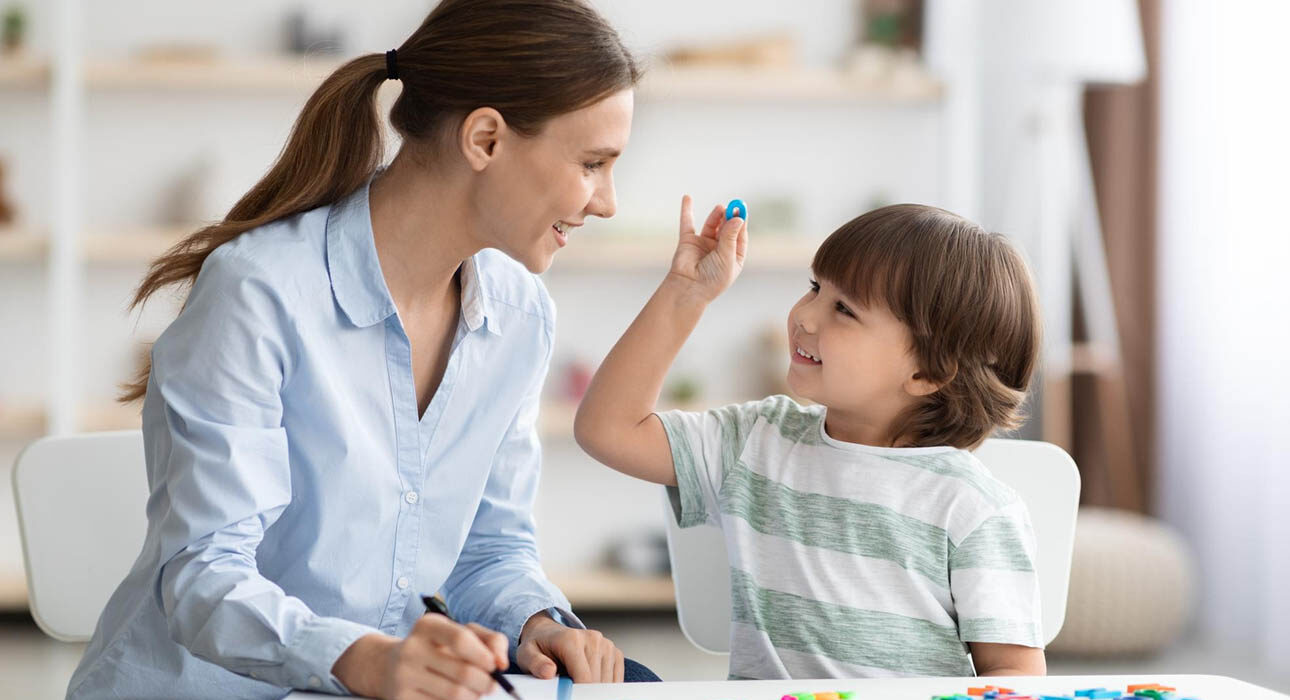
Applied Behavior Analysis (ABA): Principles, Practice, and Impact

Applied Behavior Analysis (ABA) is a scientific, evidence‑based discipline focused on understanding behavior and how it is influenced by the environment. Rooted in learning theory, ABA has become one of the most researched and effective approaches for supporting individuals with developmental, behavioral, and learning differences—particularly those on the autism spectrum. [...]

Read More

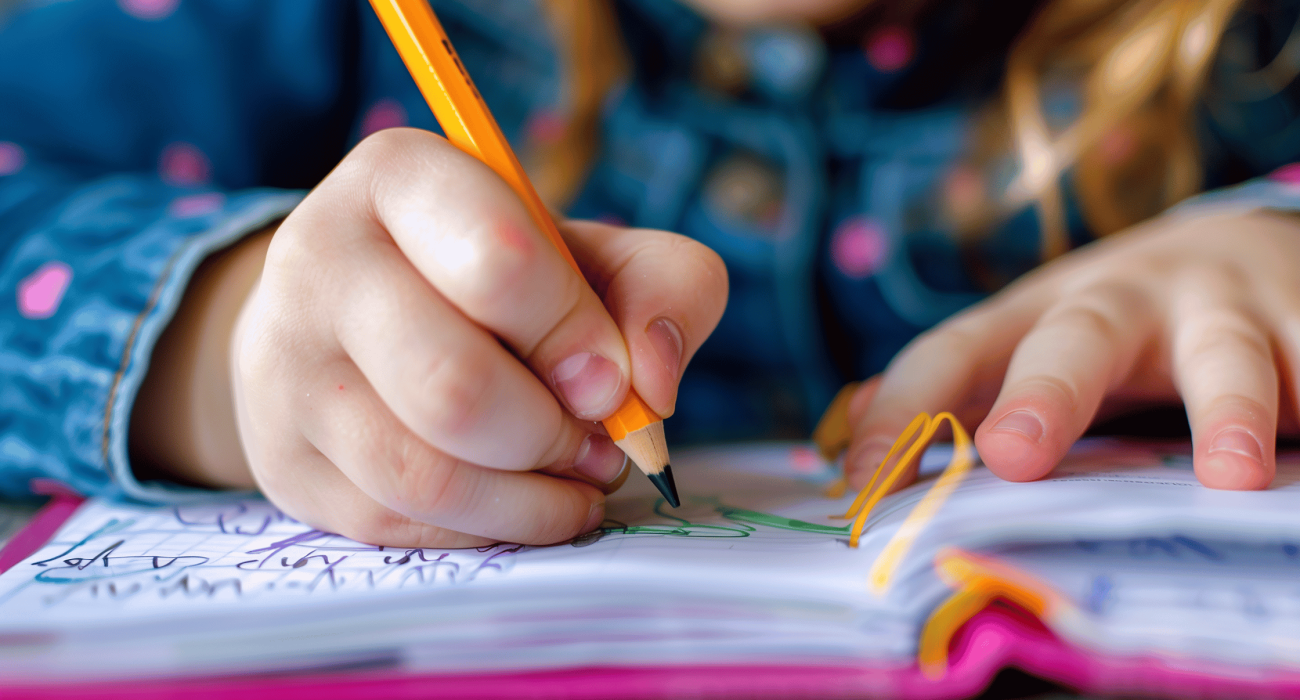
Handwriting Challenges in Children: Signs Your Child Might Need Handwriting Support

Handwriting is more than forming letters — it’s a complex skill that requires fine motor control, visual-motor coordination, posture, and sustained attention. While many children develop handwriting naturally, others may face handwriting difficulties that affect school performance, confidence, and motivation. Early support from a pediatric occupational therapist (OT) can significantly [...]

Read More

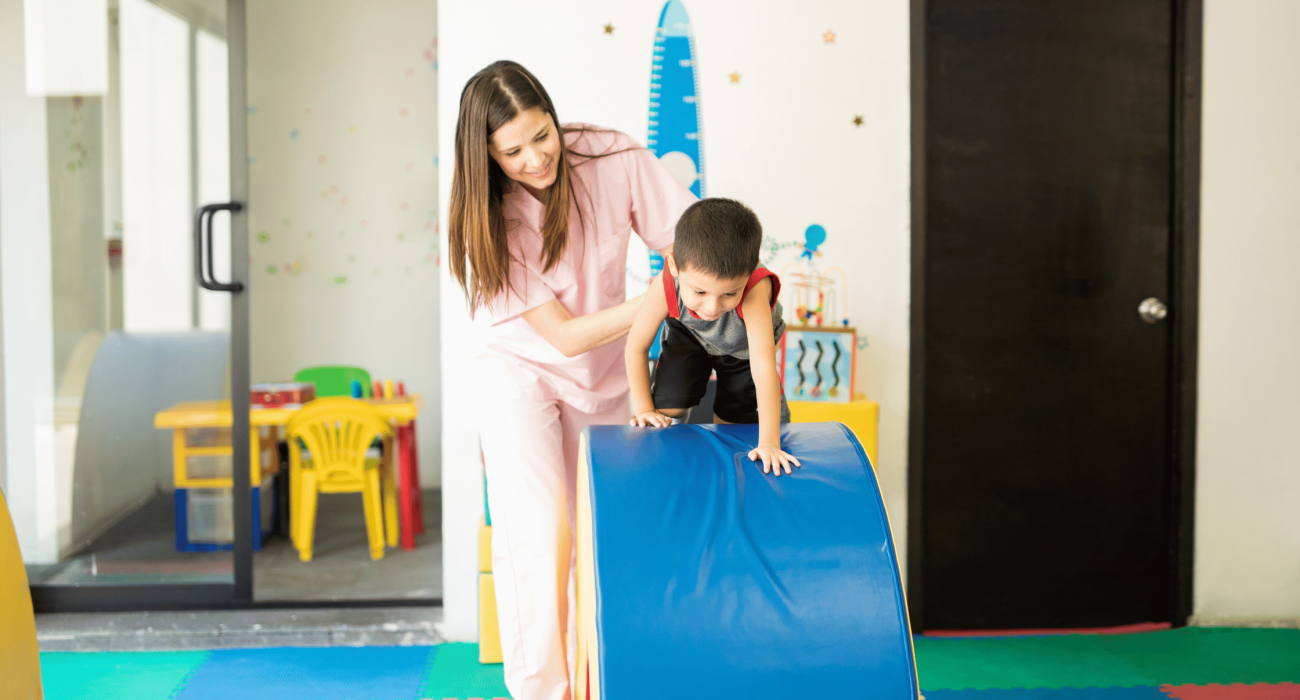
What is Psychomotor therapy? What Does a Psychomotor Therapist Work On?

Psychomotor therapy helps children connect their body, mind, and emotions. Through play and movement, children learn how to use their body with confidence, express themselves, and develop attention, coordination, and self-regulation. It supports every child’s growth (emotionally, socially, physically and cognitively) by strengthening the foundation between how they move, feel [...]

Read More